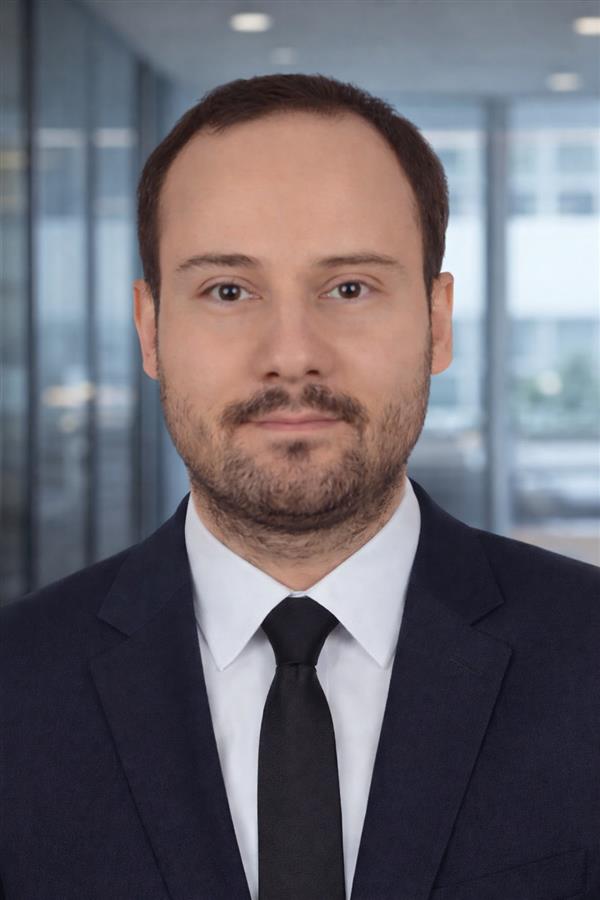
Mehmet Aksakal, MD
Radiology
Board Certified
Care Philosophy
I practice evidence-based, precise, and clinically integrated neuroradiology. My priority is to deliver clear, actionable interpretations that directly impact patient management. I emphasize diagnostic accuracy, advanced imaging techniques, and close communication with referring providers to ensure timely and optimal care. Every study is approached with the mindset that it represents a real clinical decision point, not just an image set.
Clinical Interest for Patients
• Advanced MRI techniques: diffusion, perfusion, spectroscopy, vessel wall imaging • Neurodegenerative disease imaging (Alzheimer’s disease, MCI, Parkinsonian syndromes) • Cerebrovascular disorders: ischemia, vasculitis, RCVS, aneurysms, and dissection • Neuro-oncology: primary and metastatic tumors, treatment response assessment • Head and neck neuroradiology • Molecular and functional imaging integration with MRI • Imaging biomarkers for diagnosis, prognosis, and therapy monitoring
Credentials
Doctor of Medicine
Specialty
Radiology
Scheduling Phone Number
720-848-0000
Gender
Male
Languages
Turkish, English
Hospital Affiliation
UCHealth Highlands Ranch Hospital, University of Colorado Hospital
UCHealth University of Colorado Hospital (UCH)
Phone: 720-848-0000 720-848-0000
Provider Information
Specialties
- Radiology
Interests and Activities
Personal Interests
Outside of clinical and academic work, I value a disciplined and balanced lifestyle. I am interested in health optimization, nutrition, and physical fitness, with a focus on sustainable habits. I enjoy reading and continuous learning, particularly in science, medicine, and personal development. I also value time spent with family and meaningful social connections. Travel, cultural exploration, and nature-based activities are important to me, as they provide perspective and mental clarity.
Department
Assistant Professor, Radiology-Neuroradiology
Research and Grants
Research Interests for Patients
• Imaging biomarkers for neurodegenerative diseases, with emphasis on Alzheimer’s disease, mild cognitive impairment, and related dementias • Amyloid PET, FDG PET brain imaging, and their integration with structural and quantitative MRI • Quantitative imaging, automated analysis, and AI-assisted decision support systems • Advanced MRI techniques including vessel wall imaging, perfusion, diffusion, and volumetric analysis • Cerebrovascular imaging research, particularly intracranial vasculopathies and inflammatory arteriopathies • Correlation of imaging findings with clinical outcomes, cognitive performance, and disease progression • Development of standardized, reproducible imaging protocols to improve diagnostic accuracy and research reproducibility
Education and Training
Fellowships
University of Washington Program (2022)
University of Washington Program (2024)
University of Washington Program (2023)
University of Washington Program (2025)
Information for referring providers
Referral Contact Phone
720-848-0000